
How to protect alloy wheels
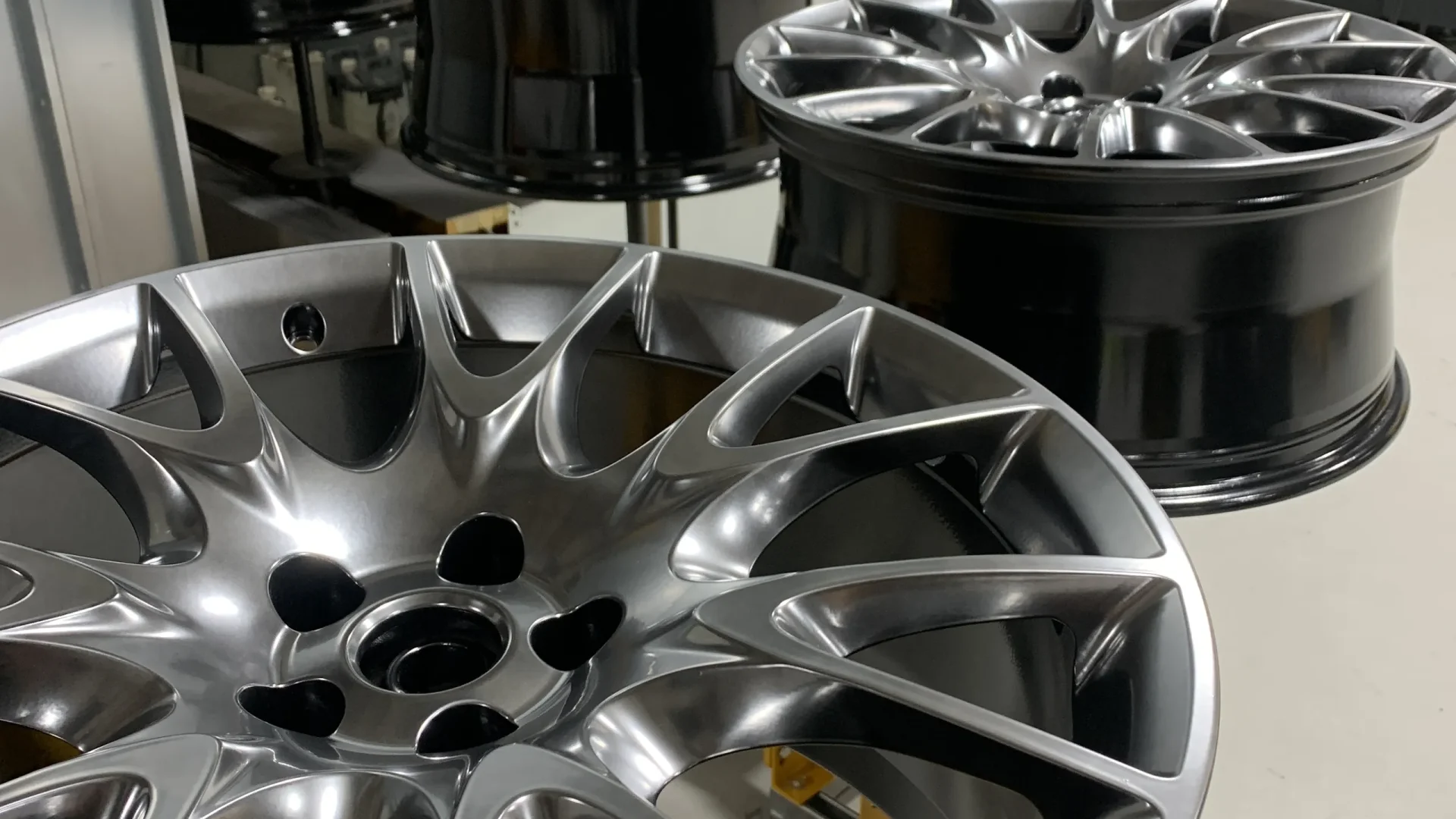
To protect alloy wheels, keep them clean, park carefully, seal the finish and repair chips before they spread. You cannot avoid every kerb or pothole, but these habits keep small damage from becoming corrosion.
Why alloy wheels get damaged
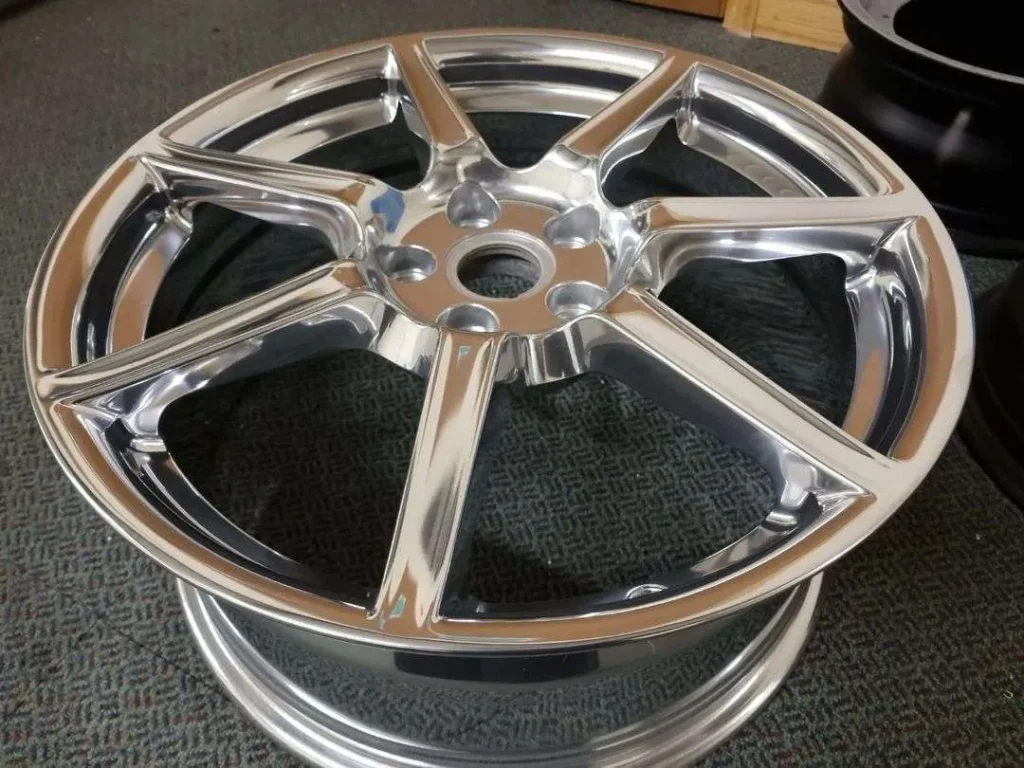
An alloy wheel has a thin protective finish over bare metal. Brake dust, road salt and impacts wear that finish down. Once the lacquer is broken, water reaches the metal and corrosion spreads underneath, which is why peeling and bubbling often start from a single chip. A diamond cut wheel has a machined bright face under clear lacquer. The lacquer is the only barrier against water, so a chip matters more than it does on a painted wheel. Wash gently, avoid harsh chemicals, and get chips repaired early. If the face has already clouded or corroded, diamond cut repair takes 2 working days.
Frequently asked questions
Can I protect diamond cut wheels?
Yes. Keep the lacquer intact, wash gently and repair chips early, because water under the lacquer causes corrosion that spreads across the face.
Do wheel covers help?
Not usually for alloys. A cover can trap water, grit and brake dust against the wheel, and it does nothing to stop a kerb strike damaging the rim edge. Regular cleaning, a sealant where suitable and early repair do much more.
How often should I clean my alloy wheels?
Every couple of weeks is a good habit, and sooner after winter driving on salted roads. Brake dust left for months can stain the finish.
What if my wheels are already damaged?
Send a photo for a free quote. We reply within 24 hours with what the repair involves. Free loan wheels are available, subject to stock, so call to check for your make.
Contact
Get a free photo quote
Phone
020 7060 3666
WhatsApp
+447512308716
Address
Unit 1, 38 Crown Road
Enfield
EN1 1TH
Enfield
EN1 1TH