
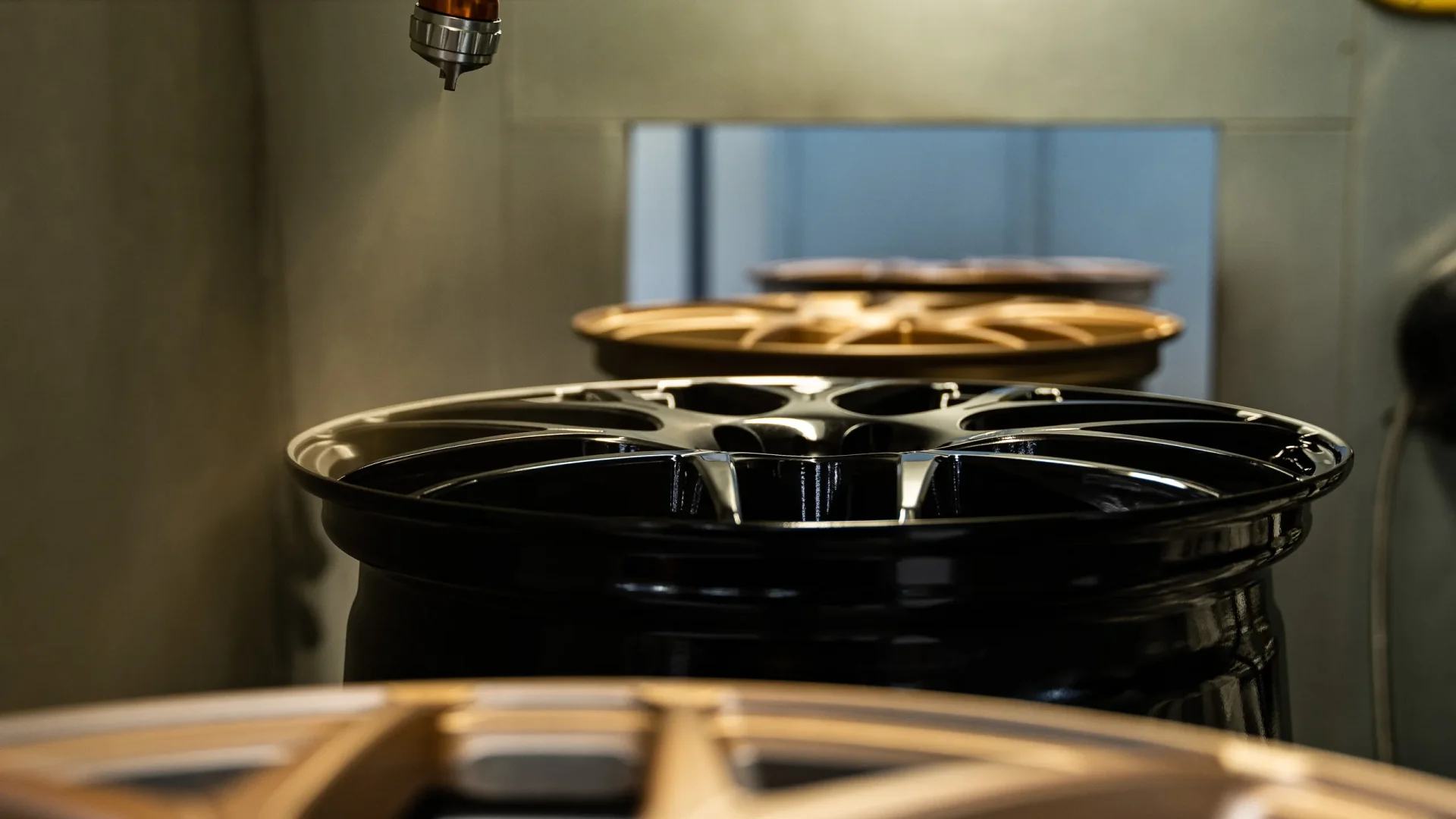
Over inflated tyres and alloy wheels
Over inflated tyres have less rubber on the road, ride harshly and wear unevenly, and they cushion less when you hit a pothole or kerb, so more of the impact reaches your alloy wheel. Checking pressures monthly is the easiest way to avoid it.
What over-inflation does to a tyre
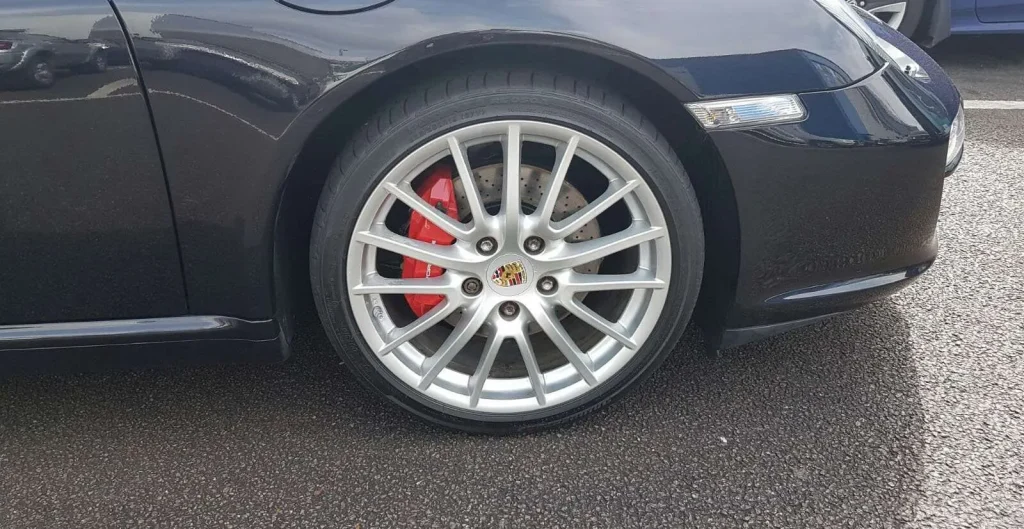
Why it matters for alloy wheels
Under-inflation is a problem too
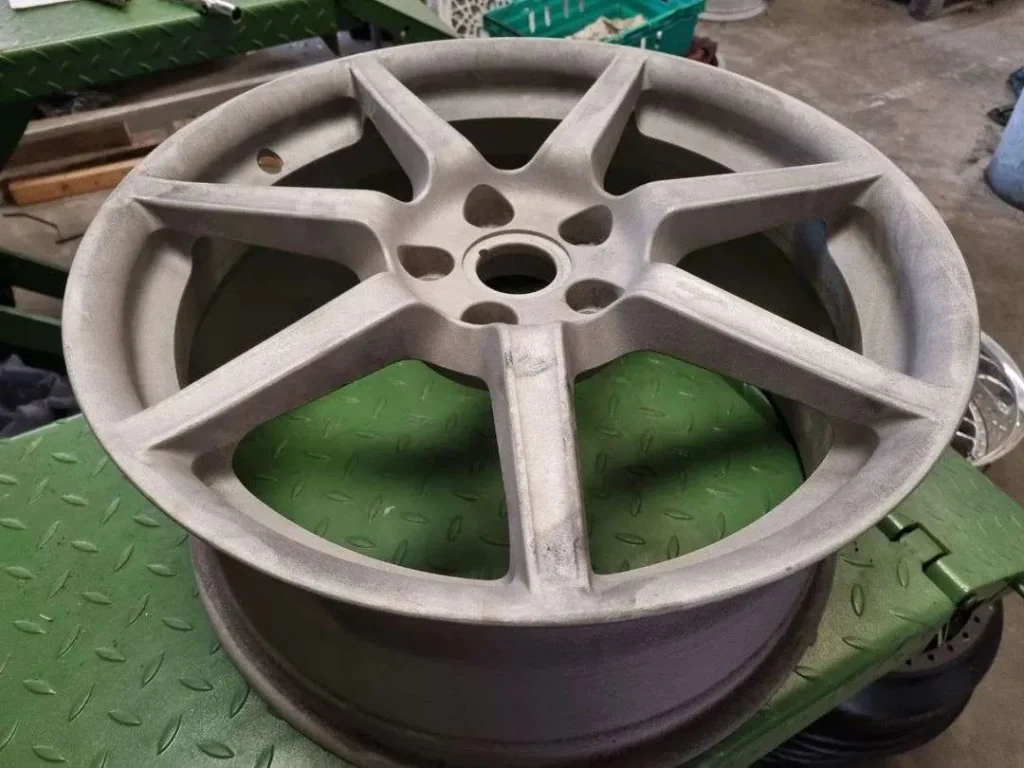
How to check your tyre pressures
Garage forecourt pumps or a home inflator both work. Check roughly once a month and before long trips, as tyres lose air slowly over time.
Find the recommended figure in
Find the recommended figure in the vehicle handbook or on the sticker in the door sill. The maximum printed on the tyre sidewall is a different figure.
Check when the tyres are
Check when the tyres are cold, ideally before a journey or after the car has been parked for a few hours.
Remove the valve cap and
Remove the valve cap and press a gauge firmly onto the valve.
Add or release air until
Add or release air until the reading matches the recommended figure. The handbook may list different figures for a loaded car.
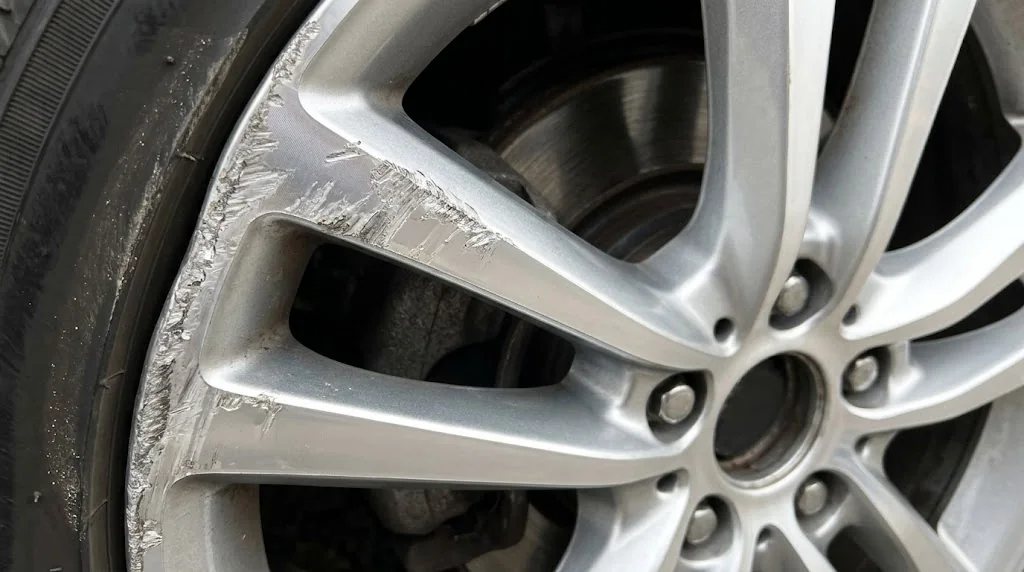
When to get a wheel checked after an impact
Protecting your wheels day to day
Frequently asked questions
What happens if you over inflate your tyres?
Can over inflated tyres damage alloy wheels?
Where do I find the correct tyre pressure?
How often should I check my tyre pressure?
Should I get a wheel checked after hitting a pothole?
Get a free photo quote
Enfield
EN1 1TH