

Why do alloy wheels bend or buckle?
Alloy wheels bend or buckle when a sharp impact, such as a pothole or kerb strike, pushes the rim out of shape. Soft tyres, low-profile tyres and earlier damage make it more likely.
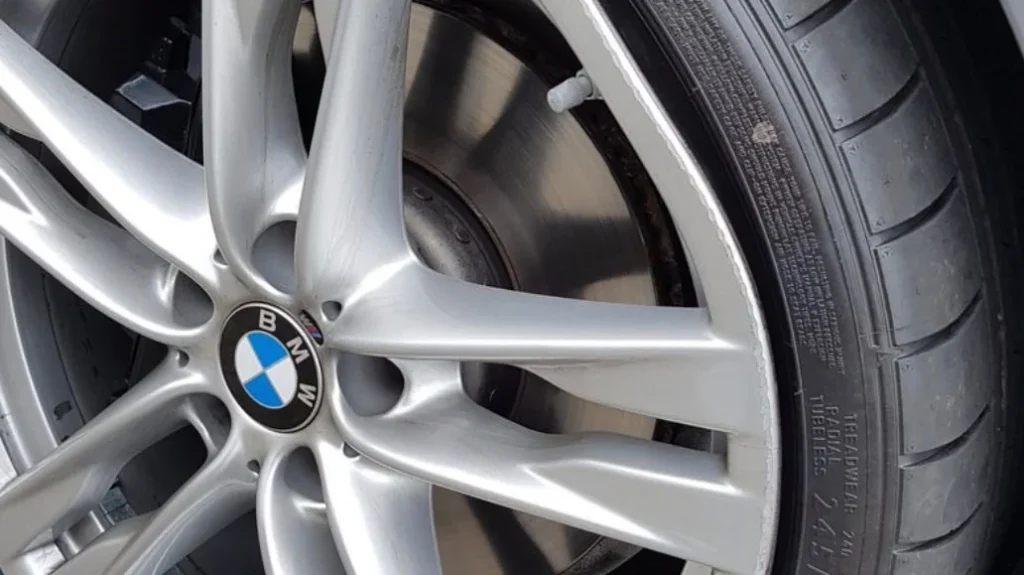
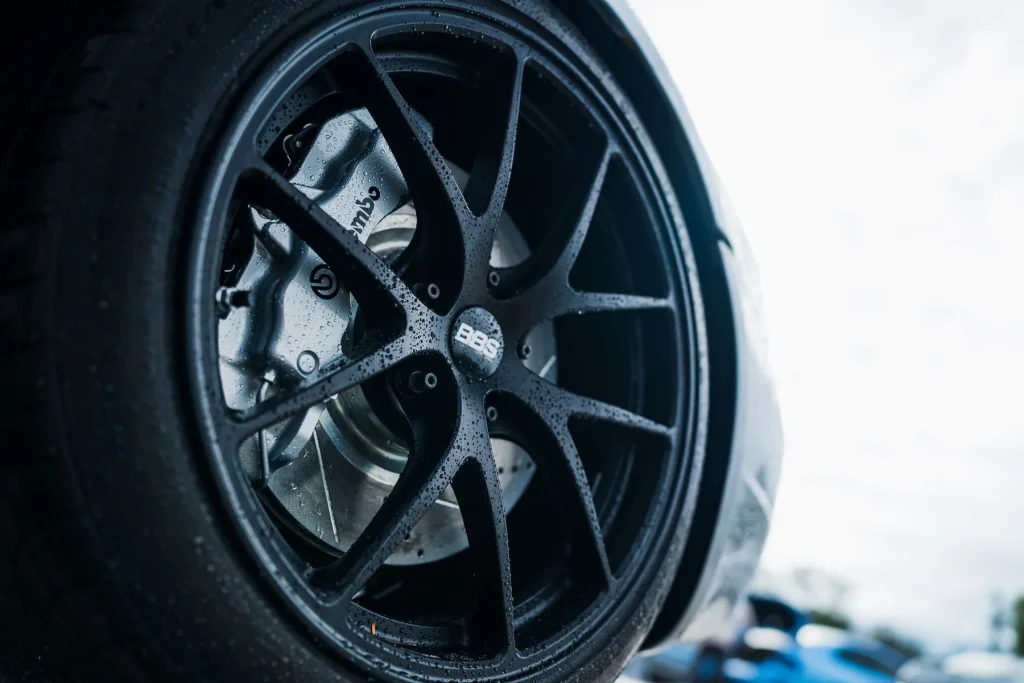
Why a hard hit can crack the wheel
Most alloy wheels are cast, and cast aluminium is less ductile than steel, so it has less give before it breaks. A strong enough impact can bend the rim, and a harder one can crack it. That is why a wheel that looks fine after a pothole strike is still worth checking. Read can a bent wheel be repaired for what happens next.
Signs a wheel is bent
Any of these means the wheel and tyre should be checked before you drive far. A bulge in the tyre wall or a visible bend means the car should not be driven at speed.
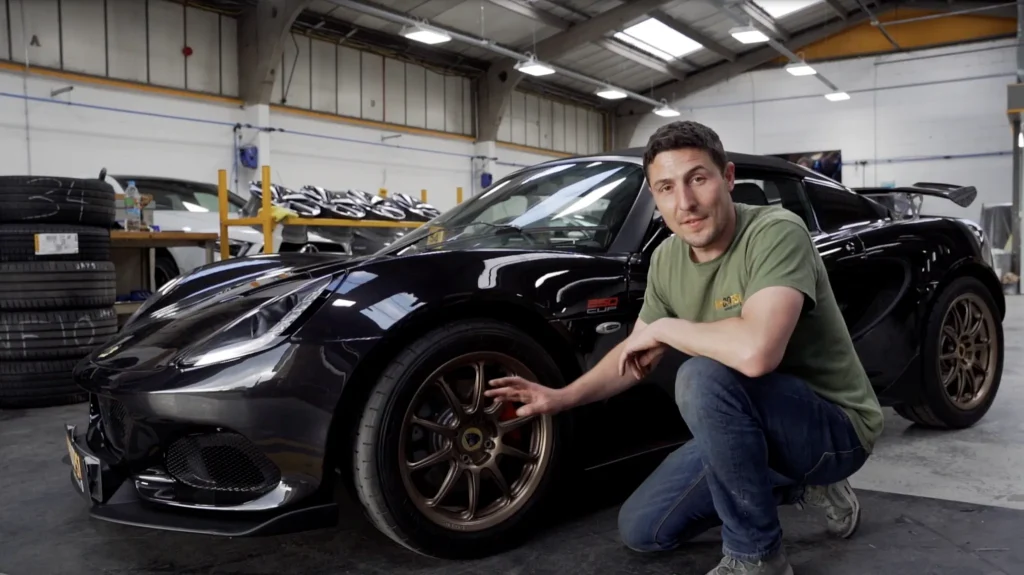
What to do after a hard hit
If a council road caused it, our guide to how to claim for pothole damage explains what to record.
Pull over when it is
Pull over when it is safe and look at the wheel and tyre.
Photograph the wheel and, if
Photograph the wheel and, if it was a pothole, the pothole too.
Drive gently if you must
Drive gently if you must move the car, and listen for new noises or vibration.
Check the tyre pressure over
Check the tyre pressure over the following days.
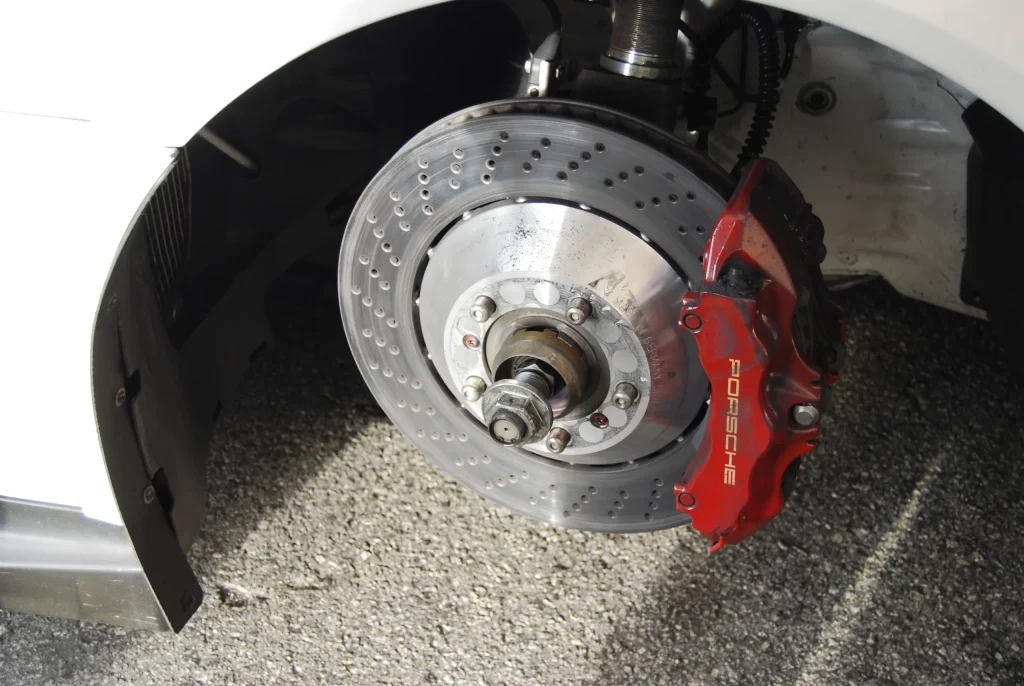
How to lower the risk
Keep tyres at the pressure in your handbook, because soft tyres leave the rim exposed. Slow down for potholes where the road allows, and avoid scraping kerbs when parking. Repair any earlier damage promptly, since a rim that has already been distorted can fail more easily. Our guide to how to protect alloy wheels adds a simple routine.
Frequently asked questions
Can a pothole bend an alloy wheel?
Yes. A hard pothole hit can bend or crack the rim, even when the tyre survives. If you notice vibration afterwards, get the wheel checked.
Why does my car shake after hitting a kerb?
Vibration after an impact can point to a bent rim, a damaged tyre or a wheel that has gone out of balance. Have it inspected before driving far.
Can you drive on a buckled alloy wheel?
Not far, and not at speed. A buckled wheel can cause vibration, uneven tyre wear and air loss, so get it checked first.
Is a bent alloy wheel always repairable?
Many are, but not all. Severe distortion or cracking can mean replacement, and a photo helps us tell you which applies.
Do alloy wheels bend more easily than steel wheels?
Steel tends to bend where cast alloy is more likely to crack under a hard hit. Either type can be damaged by a big enough impact, so check both after one.

Think your wheel is bent?
Send a photo and describe any vibration or air loss, and we will reply within 24 hours with a free quote. Call or send a photo first so we can book a time. Or call us on 0207 060 3666 Unit 1, 38 Crown Road, Enfield, EN1 1TH · Mon-Fri 8am-6pm · Sat 8am-1pm
Contact
Get a free photo quote
Phone
020 7060 3666
WhatsApp
+447512308716
Address
Unit 1, 38 Crown Road
Enfield
EN1 1TH
Enfield
EN1 1TH